Start your therapy journey
People seek therapy for many different reasons. You do not need to be in crisis to benefit from support.
Therapy may be worth considering if you are:
- Feeling overwhelmed, anxious, low, stressed or stuck.
- Struggling with relationships, life transitions, loss or difficult decisions.
- Repeating behaviours that no longer serve you.
- Finding it difficult to cope with work, family or daily life.
- Wanting to better understand yourself, your emotions and your needs.
- Seeking personal growth, greater self-awareness or a more fulfilling life.
Often, people reach out when they notice that something feels persistently difficult or when they want support navigating change.
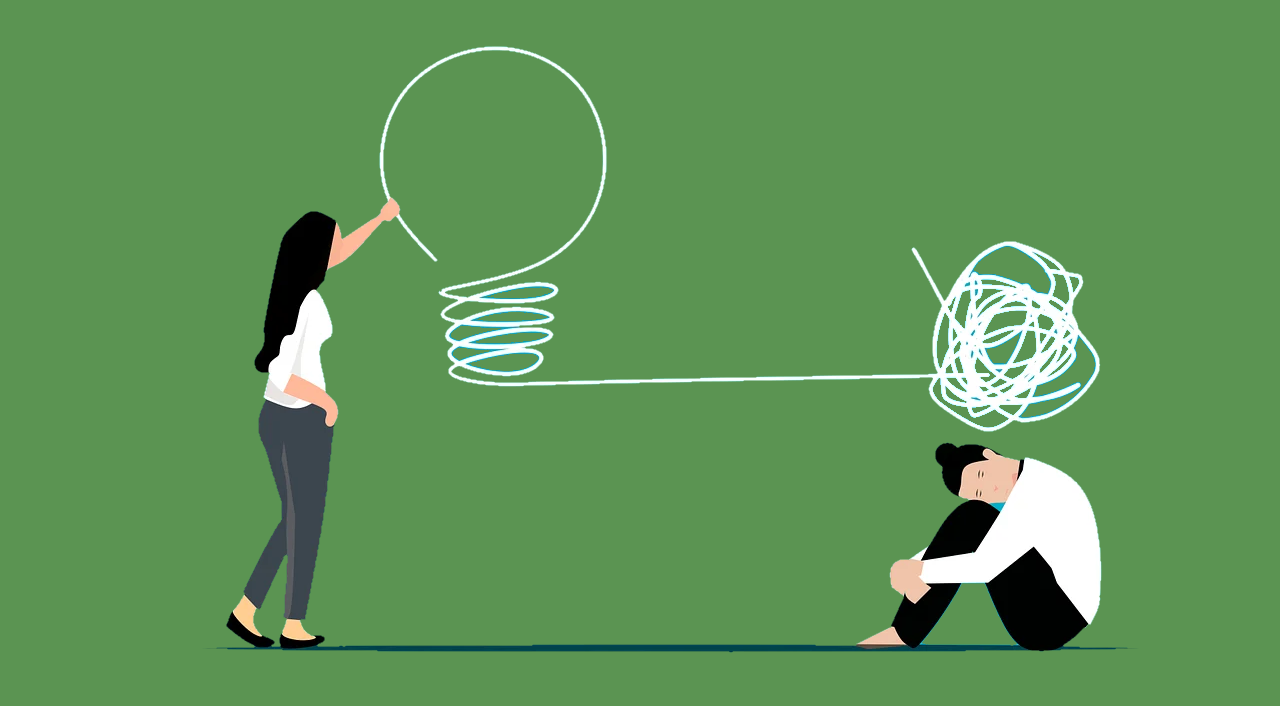
What can you expect from therapy?
Therapy provides a confidential and supportive space to explore your experiences, thoughts, emotions and challenges.
Together, we work to develop greater awareness, understanding and choice in how you respond to life’s difficulties.
While every therapeutic relationship is unique, therapy typically involves:
- Open and honest conversation.
- Exploration of emotions, thoughts and behaviours.
- Greater self-understanding and self-acceptance.
- Developing new perspectives and ways of coping.
- Working towards goals that are meaningful to you.
The pace and focus of therapy are guided by your individual needs and circumstances.
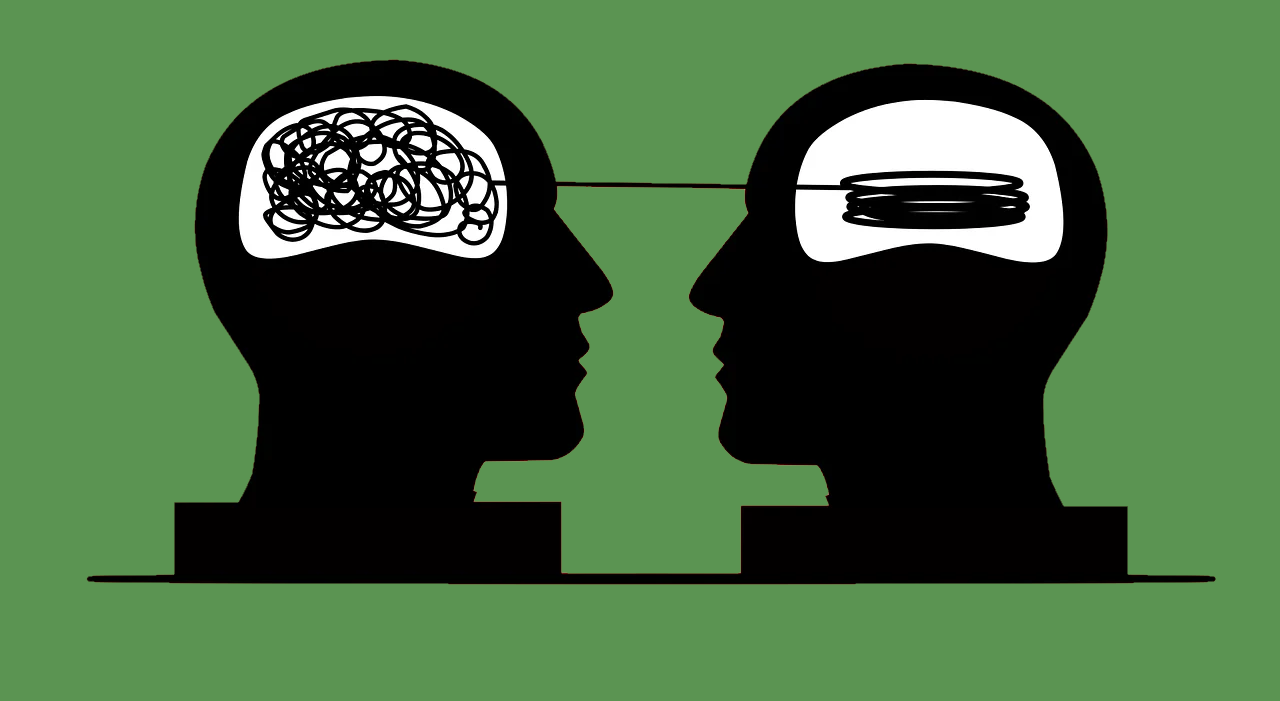
Some realities about the process
Therapy can be rewarding, but it is not always easy. Meaningful change often takes time, patience and active engagement.
A few important things to keep in mind:
- Progress is rarely linear; there may be periods of challenge as well as growth.
- Difficult emotions can emerge as important issues are explored.
- Therapy does not provide quick fixes or all the answers.
- The quality of the therapeutic relationship is a key part of the process.
- Lasting change often comes from increased awareness, practice and considering how you might implement what you’ve learned into everyday life.
A common question that people have is how will you recognise that therapy might be working?
Some characteristics of positive growth are that healing can be incremental and also feel like small shifts.
In addition, a relationship with a client often evolves over time, as a sense of safety emerges and you feel freer to tackle deeper, more challenging personal issues.
Therapy is ultimately a collaborative journey – one that can help you develop a deeper understanding of yourself and create meaningful, sustainable change.

What types of therapy are available?
There are many different approaches to therapy, and no single method is right for everyone.
While therapists may work from one primary orientation, many integrate ideas and techniques from several approaches.
Some common types of therapy include:
- Person-Centred Therapy – focuses on creating a supportive, non-judgemental relationship that helps you explore your experiences and discover your own capacity for growth and change.
- Cognitive Behavioural Therapy (CBT) – examines the relationship between thoughts, emotions and behaviours, helping people develop more helpful ways of responding to difficulties.
- Psychodynamic Therapy – Explores how past experiences, relationships and unconscious behaviours may influence current thoughts, feelings and behaviours.
- Gestalt Therapy – Emphasises awareness of present-moment experience, helping people understand how they relate to themselves, others and their environment.
- Integrative Therapy – Combines elements of different therapeutic approaches to meet the unique needs of each individual.
Research consistently suggests that one of the most important factors in successful therapy is finding an approach – and a therapist – with whom you feel comfortable and understood.
What to do next?
Find out more about how my practice can help as your start your therapy journey.
Or contact me via one of the methods listed or by completing the form on this page:
Phone and WhatsApp: 44 (0) 7870 677716
Email: kevinmaytherapy@gmail.com